Purchase Vs Rent: Understanding the Advantages And Disadvantages of Living in an Apartment
The decision to purchase or rent out an apartment involves mindful consideration of numerous variables. Each alternative presents unique benefits and negative aspects that can considerably impact one's financial circumstance and way of living. Purchasers usually encounter big in advance prices and recurring upkeep duties, while tenants take pleasure in flexibility and lower initial financial investments. As individuals consider these aspects, comprehending the nuances of each choice becomes vital. What elements ultimately influence the choice between these two courses?
The Financial Aspects of Getting an Apartment
When taking into consideration the purchase of an apartment, potential purchasers need to very carefully examine the monetary effects involved. The first prices can be considerable, consisting of the down settlement, shutting costs, and various charges associated with evaluations and evaluations. Buyers need to also factor in continuous expenditures such as real estate tax, home owners' organization (HOA) fees, insurance coverage, and upkeep costs.Financing choices play a vital function in the general price of the house. luxury apartments in edwardsville il. Rates of interest, loan terms, and credit rating ratings can significantly affect regular monthly home mortgage payments. Furthermore, potential purchasers ought to take into consideration the long-lasting investment worth of the home, as actual estate can appreciate over time, giving economic advantages in the future.Ultimately, thorough research study and economic preparation are basic for making an informed decision concerning acquiring an apartment. Customers must weigh the possible returns versus their monetary stability and individual conditions to ensure a sound investment

The Financial Ramifications of Renting Out
The financial ramifications of renting out consist of regular monthly rental prices, which can fluctuate based on location and market conditions. Occupants likewise bear much less obligation for maintenance expenses, as these generally drop on the property owner. However, the absence of long-lasting financial commitment can influence one's ability to develop equity over time.
Monthly Lease Costs
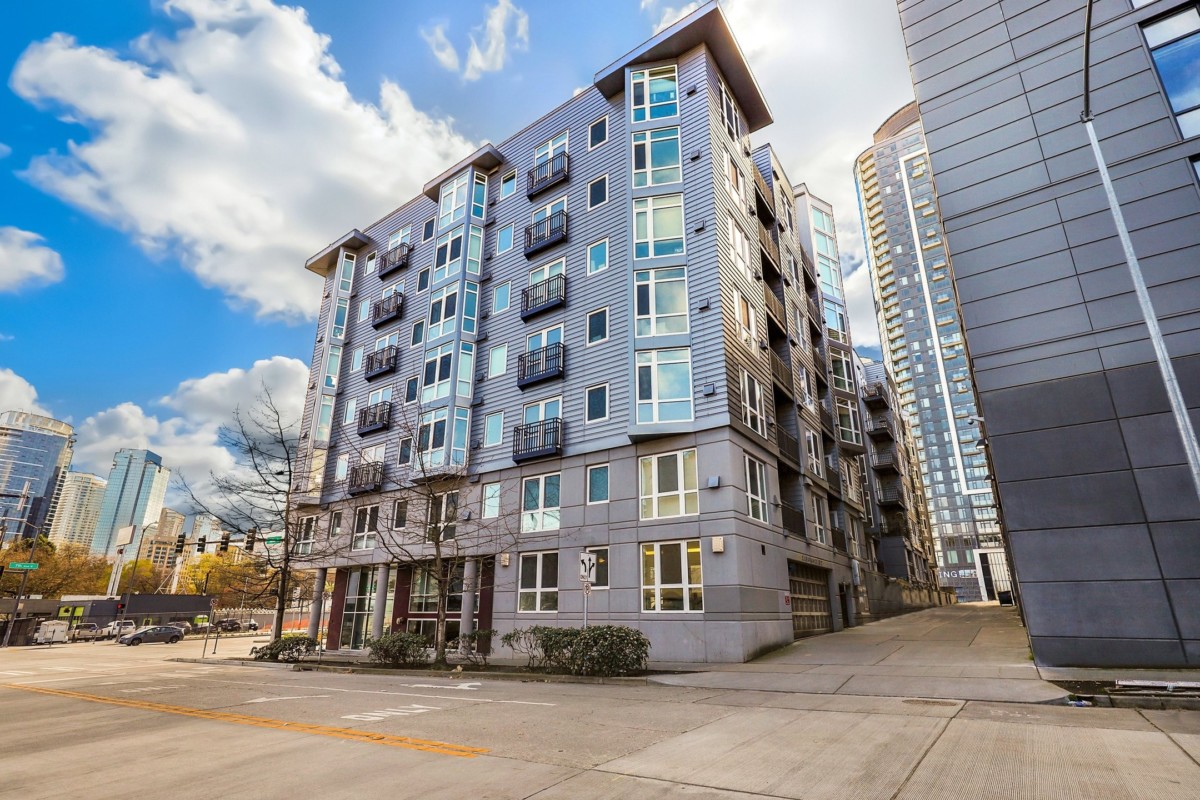
Many people are drawn to the versatility that renting deals, the financial implications of regular monthly rental fee expenses can substantially influence their spending plans. Lease usually stands for a significant section of a lessee's regular monthly expenses, frequently ranging from 25% to 50% of their revenue. This irregularity depends upon elements such as place, residential property size, and facilities. Furthermore, rent settlements are called for continually, making it essential for tenants to preserve a stable income to avoid financial strain. Unlike mortgage repayments, which build equity gradually, lease payments do not add to possession buildup. Consequently, potential tenants should meticulously evaluate their monetary circumstances and think about just how month-to-month rental fee expenses will certainly suit their overall budget before devoting to a rental arrangement.
Maintenance Expenditures Obligation
While occupants take pleasure in the benefit of not having to fret about lots of maintenance tasks, they may still face substantial economic effects regarding obligation for upkeep. Generally, property owners are liable for significant repair work and upkeep, which eases some expenses for tenants. Nonetheless, lessees might be accountable for small repair services, such as replacing light bulbs or repairing a dripping tap. Furthermore, unanticipated expenditures can arise from concerns like pipes or electrical failings, which might bring about boosted financial concern otherwise covered by the lease arrangement. Renters need to also take into consideration the capacity for rental fee boosts to cover maintenance prices. Subsequently, while maintenance responsibilities are largely shifted to landlords, occupants should continue to be aware of their commitments and possible costs that can emerge throughout their lease term.
Long-term Economic Commitment
Financial stability usually copyrights on the decision in between renting out and acquiring an apartment, particularly when thinking about the long-lasting commitments related to each choice. Renting out might show up monetarily adaptable, permitting individuals to relocate quickly and stay clear of substantial deposits. However, it can bring about ongoing monthly expenses without building equity. Tenants go through annual lease increases, which can strain budget plans over time - luxury apartments for rent glen carbon il. In addition, the lack of ownership indicates that rental settlements do not add to long-lasting riches buildup. In comparison, buying an apartment usually includes a substantial upfront investment yet offers the capacity for residential property worth appreciation. Ultimately, the selection in between renting and buying requires mindful assessment of one's economic objectives and lasting security
Stability vs. Flexibility: Which Is Right for You?
When taking into consideration apartment or condo living, individuals commonly consider the benefits of security versus the need for flexibility. Lasting commitments, such as purchasing a home, can offer safety and security however might limit mobility and flexibility. Conversely, leasing permits higher liberty to relocate, satisfying those whose scenarios might transform often.
Long-lasting Dedication
Selecting between purchasing and need to find a real estate agent renting out an apartment usually rests on the person's need for security versus their requirement for adaptability. A long-term dedication to buying normally shows an objective to settle in one area, fostering a feeling of durability. Homeownership typically features financial benefits, such as equity structure and potential recognition in property worth, contributing to lasting security. On the other hand, renting enables better versatility, allowing people to alter their living scenario based upon life circumstances or preferences. Renters might prefer this option during transforming periods, such as task modifications or personal development. Eventually, the selection in between a lasting commitment to possession or the adaptability of renting out shows personal top priorities and future ambitions, greatly influencing one's way of life and monetary preparation.
Movement and Adaptability
The decision to buy or lease an apartment greatly influences an individual's flexibility and versatility in life. Homeownership normally provides stability however can restrict versatility as a result of the lasting monetary dedication and initiative required to market a property. Conversely, leasing enables for better movement, enabling individuals to relocate conveniently for task chances or lifestyle changes without the concern of selling a home. This versatility can be specifically valuable for those in changing phases of life, such as trainees or young specialists. While renting can cause a lack of durability, it supplies the freedom to check out various communities and cities. Inevitably, the selection between acquiring and leasing depend upon individual priorities-- security versus the demand for flexibility in an ever-changing globe.
Maintenance Duties: Homeownership vs. Renting out
While homeownership usually brings the allure of independence, it likewise comes with a substantial concern of upkeep responsibilities that occupants typically stay clear of. House owners need to take care of repairs, landscape design, and routine upkeep, which can be both time-consuming and costly. This includes resolving plumbing problems, roofing system repair work, and device breakdowns, every one of which can add tension to the property owner's life.In contrast, occupants usually gain from a more hands-off technique to maintenance. Residential real estate agent salary property managers or proprietors take care of fixings and upkeep jobs, enabling tenants to concentrate on their living experience instead of residential or commercial property treatment. This division of responsibilities can be especially appealing for those that prioritize flexibility and simplicity in their living arrangements.Ultimately, the choice in between buying and renting depend upon one's willingness to tackle upkeep tasks, with homeownership requiring a dedication that lots of occupants might choose to sidestep.
Financial Investment Potential: Getting an Apartment
Purchasing an apartment can supply considerable monetary advantages gradually. As building values generally appreciate, homeowners may see their financial investment grow considerably, generating a lucrative return when marketing. Additionally, possessing an apartment gives a hedge versus rising cost of living, as mortgage payments remain steady while rental rates may boost. The capacity for rental earnings includes another layer of financial advantage; proprietors can rent out their systems, creating easy revenue that can counter home loan expenses and contribute to overall riches accumulation.Furthermore, tax benefits often accompany apartment ownership, including deductions for home mortgage passion and real estate tax. These economic incentives boost the good looks of getting an apartment as a financial investment. Possible capitalists must also take into consideration market fluctuations and linked ownership expenses, such as maintenance and organization charges. A complete analysis of these factors can aid establish if purchasing an apartment aligns with a person's monetary objectives and risk resistance.
Way Of Life Considerations: Facilities and Place
Picking the ideal house includes careful factor to consider of way of living elements, especially services and place. Several people focus on amenities that improve their living experience, such as health and fitness centers, swimming pools, or communal spaces. These centers can significantly affect daily routines and social interactions, making apartment or condo life much more enjoyable.Location is equally vital; distance to function, schools, purchasing, and public transport affects comfort and overall lifestyle. Urban occupants might prefer homes in dynamic neighborhoods, while those looking for serenity may prefer suv settings. In addition, safety and neighborhood vibe play essential functions in figuring out an optimal location.Ultimately, the ideal combination of services and location can produce a harmonious living setting that aligns with personal choices and way of living needs. Each individual's top priorities will certainly vary, making it imperative to assess these aspects carefully prior to visit their website choosing regarding purchasing or leasing an apartment.
Long-term vs. Short-term Living Setups
The decision between long-term and short-term living plans substantially affects one's apartment or condo experience. Long-term services normally supply security, permitting renters to develop roots in a neighborhood. This stability often brings about a much deeper understanding of regional amenities, social connections, and personal comfort. Furthermore, long-lasting leases might supply lower regular monthly prices contrasted to short-term choices, which are usually much more costly due to flexibility.Conversely, short-term setups interest those looking for flexibility or temporary real estate options. This versatility can be advantageous for people checking out new cities, traveling for job, or studying. Short-term services usually do not have the feeling of durability and might include frequent relocations.Ultimately, the selection in between lasting and short-term living depends on specific scenarios, top priorities, and way of life choices. Careful factor to consider of these factors can result in a much more satisfying apartment experience, customized to one's specific demands.
Frequently Asked Concerns
Exactly How Do Residential Property Taxes Influence Apartment Or Condo Possession Expenses?
Real estate tax substantially influence the overall costs of apartment ownership. Higher tax obligations can boost monthly expenditures, impacting budgeting. Additionally, fluctuating tax obligation prices may impact residential or commercial property values, making ownership much less monetarily advantageous in certain markets.
What Are Normal Lease Lengths for Rental Apartment Or Condos?
Typical lease sizes for rental houses usually range from six months to one year. Some property owners may provide month-to-month options, while longer leases of 2 years or even more can likewise be worked out depending on tenant requirements.
Can I Discuss My Rent Price With Landlords?
Discussing lease costs with property owners is often feasible, depending upon market problems and the proprietor's flexibility. Prospective lessees ought to prepare to present their situation, highlighting factors for negotiation to enhance their opportunities of success.
What Happens if I Need to Damage a Rental Lease?
When an occupant requires to damage a rental lease, they might sustain charges, surrender their safety and security deposit, or face legal consequences. It's vital to assess the lease terms and interact with the property owner promptly.
Are There Hidden Charges When Acquiring an Apartment?
When buying an apartment, possible covert fees might include shutting prices, maintenance costs, building tax obligations, and home owners organization fees. Purchasers need to completely evaluate all economic facets to avoid unforeseen expenditures post-purchase.